
How are production-ready textile systems changing modern manufacturing?
production-ready textile systems are transforming how textile manufacturing works by making production faster, more organised, and easier to manage across different stages. These systems help connect design, sourcing, and production into one smooth process, which reduces delays and improves consistency. As demand continues to grow, businesses can use these systems to scale operations without losing quality, making them more prepared for future challenges.
Why is the industry shifting toward smarter production systems?
The industry is moving towards smarter systems because businesses want better efficiency, lower waste, and stronger control over production. production-ready textile systems support these goals by improving workflow and reducing manual errors. In addition, they help brands respond quickly to market changes, which is important in a fast-moving industry. This shift is not just about speed, but also about creating more reliable and sustainable production methods.
How sustainable apparel sourcing Will Shape production-ready textile systems
Why is sustainable apparel sourcing becoming essential in textiles?
sustainable apparel sourcing is becoming essential because brands are under pressure to reduce environmental impact and improve transparency across their supply chains. By choosing better materials and responsible suppliers, businesses can ensure that their products meet both quality and sustainability expectations. This approach also helps build trust with customers who are now more aware of how products are made.
How does sourcing influence future production systems?
Sourcing plays a key role in shaping how production-ready textile systems operate because the quality and origin of materials directly affect the final product. With sustainable apparel sourcing, companies can improve efficiency by using materials that are easier to track and process. This leads to better production planning, reduced waste, and stronger long-term performance, making systems more reliable and future-ready.
The Role of circular textile systems in the Future of production-ready textile systems

How do circular textile systems improve production flow?
circular textile systems improve production flow by keeping materials in use for longer through reuse, recycling, and better lifecycle management. This reduces the need for constant new inputs and helps create a smoother, more continuous production process. As a result, businesses can manage resources more efficiently while also reducing production interruptions.
Why are circular textile systems important for sustainability?
These systems are important because they help lower waste and reduce the overall environmental impact of textile production. circular textile systems support a more balanced approach where materials are reused instead of discarded. This not only benefits the environment but also helps production-ready textile systems become more efficient and cost-effective over time.
How circular fashion fabrics Will Transform Modern Textile Production
What makes circular fashion fabrics important for the future?
circular fashion fabrics are important because they are designed to be reused, recycled, or repurposed, which helps extend their lifecycle and reduce waste. This approach supports better resource management and allows brands to plan production more effectively. As sustainability becomes a priority, these fabrics are playing a bigger role in shaping modern textile systems.
How do they improve production efficiency and sustainability?
These fabrics improve efficiency by reducing the need for new raw materials and lowering production waste. circular fashion fabrics also make it easier to manage inventory and production cycles, which helps streamline operations. At the same time, they support sustainability goals by reducing environmental impact, making them a valuable part of future textile systems.
Why responsible fibre solutions for fashion Are Driving Innovation in production-ready textile systems
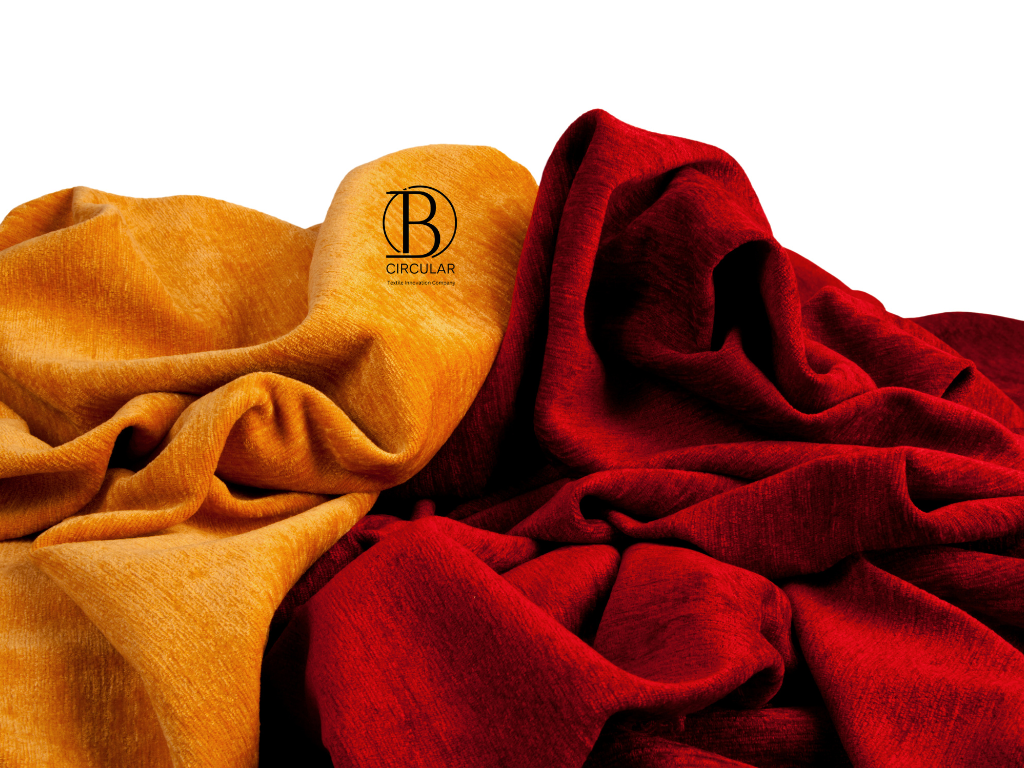
How do responsible fibre solutions for fashion improve innovation?
responsible fibre solutions for fashion encourage innovation by pushing brands to explore better materials that are both high quality and environmentally responsible. These solutions help improve product design and performance while also supporting sustainable practices. As a result, businesses can develop new products that meet modern expectations.
Why are better materials important for future systems?
Better materials are important because they directly affect durability, performance, and sustainability. By using responsible fibre solutions for fashion, companies can create stronger and more reliable products while reducing environmental impact. This helps production-ready textile systems remain competitive and adaptable in a changing industry.
How hemp blended fibre textiles Support the Next Generation of production-ready textile systems
Why are hemp blended fibre textiles gaining attention?
hemp blended fibre textiles are gaining attention because they offer a strong combination of durability, flexibility, and sustainability. Hemp is known for being a resilient fibre that requires fewer resources to grow, making it an attractive option for modern production. This makes it suitable for brands looking for better material alternatives.
How do they improve both performance and environmental impact?
These textiles improve performance by providing strength and long-lasting quality, which is important for many applications. At the same time, hemp blended fibre textiles help reduce environmental impact by using more sustainable raw materials. This balance allows businesses to meet both performance needs and sustainability goals within production-ready textile systems.
The Importance of eco fabric traceability platform in Future production-ready textile systems
How does an eco fabric traceability platform improve transparency?
An eco fabric traceability platform improves transparency by giving brands clear visibility into where materials come from and how they move through production. It records important data at each stage, making it easier to verify sourcing and ensure quality. This helps businesses maintain control and build trust with customers.
Why is traceability important for future production systems?
Traceability is important because it allows businesses to make informed decisions and quickly identify any issues in the supply chain. With an eco fabric traceability platform, production-ready textile systems become more reliable, organised, and transparent. Over time, this supports better performance and stronger relationships across the entire production process.