
Timber wood panel is known for offering strong and reliable performance in everyday indoor environments such as homes, offices, and retail spaces. Durability in this context means how well the panel handles daily use, minor impacts, and long-term exposure to stable indoor conditions. When installed and finished correctly, timber wood panel can maintain its appearance and structural integrity for many years without losing its natural appeal.
What does durability mean for indoor timber panels?
Durability for indoor timber panels refers to their ability to withstand regular use without showing excessive wear or damage. This includes resistance to scratches, surface marks, fading, and gradual ageing caused by light use and cleaning. A durable panel keeps its strength and appearance over time, even in busy indoor spaces.
Where do timber panels perform best indoors?
Timber panels perform best in climate-controlled indoor environments where temperature and humidity remain relatively stable. Spaces such as living areas, offices, meeting rooms, and retail interiors provide ideal conditions, allowing panels to remain strong, flat, and visually consistent for long periods.
How Do timber veneer panels Perform in Moisture-Prone Areas?
Timber veneer panels can perform well in moisture-prone areas when used thoughtfully and protected correctly. While they are not designed for constant water exposure, they can handle occasional humidity found in kitchens or similar indoor spaces. Proper construction methods and surface finishes play a key role in reducing the risk of swelling, warping, and surface wear over time.
Can timber veneer panels handle humidity and moisture?
timber veneer panels can handle light humidity when they are properly sealed and installed away from direct water contact. Protective coatings help limit moisture absorption, allowing panels to remain stable in areas where humidity levels may change throughout the day.
What conditions can reduce veneer panel lifespan?
Conditions such as constant high humidity, poor ventilation, direct water exposure, and unsealed edges can significantly reduce the lifespan of veneer panels. Over time, these factors may cause surface damage, lifting, or loss of structural stability.
How Do timberwood panels Respond to Temperature Changes?
Timberwood panels naturally respond to temperature changes because timber expands and contracts as conditions shift. In indoor environments, these movements are usually minor and manageable when panels are installed correctly. Heating and cooling systems, along with seasonal changes, can influence panel behaviour, making correct spacing and fixing important for long-term durability.
Do timberwood panels expand or contract with heat?
Yes, timberwood panels expand slightly when temperatures rise and contract as temperatures cool. This movement is natural and expected, and when planned for during installation, it does not negatively affect panel performance.
How does climate affect panel durability over time?
Stable indoor climates help panels retain their shape and strength for longer periods. Frequent or extreme temperature changes can place stress on timber, so controlled environments support better long-term durability.
Does timber veneer sydney Climate Affect Long-Term Panel Durability?
timber veneer sydney installations are influenced by local climate conditions, particularly humidity levels and seasonal temperature changes. Sydney’s environment can place mild stress on timber materials if not properly managed. Choosing suitable finishes and allowing for natural movement during installation helps panels remain durable and visually consistent over the long term.
How does Sydney’s climate influence timber panels?
Sydney’s humidity and seasonal temperature shifts can cause timber panels to expand or contract slightly. Without proper sealing and installation, this movement may affect appearance or performance over time.
Are certain finishes better suited to local conditions?
Yes, protective finishes that seal the surface help reduce moisture absorption and protect panels from environmental stress, making them more suitable for local conditions.
5. How Do wood veneer supplies Influence the Strength of Panels?
The durability of timber panels is strongly influenced by the quality of wood veneer supplies used during manufacturing. High-quality veneer provides better surface stability, stronger bonding, and improved resistance to wear. Consistent veneer thickness and careful processing help ensure panels remain reliable and visually appealing over time.
Does veneer quality affect panel durability?
Yes, veneer quality has a direct impact on durability. Higher-quality veneer improves surface strength, reduces the risk of cracking or lifting, and helps panels maintain their structure under regular use.
What should users look for in veneer materials?
Users should look for veneer with consistent grain patterns, proper treatment, and even thickness. Well-processed veneer layers contribute to stronger, longer-lasting panels.
Why timber veneer suppliers Matter for Consistent Performance?
timber veneer suppliers play an important role in ensuring consistent panel performance by sourcing reliable materials and maintaining quality standards. Consistency in veneer selection reduces variation in strength, appearance, and durability. Working with dependable suppliers supports long-term performance across different environments.
How do suppliers influence product lifespan?
Suppliers influence lifespan by providing veneer that is properly treated, correctly stored, and suitable for its intended use. Quality sourcing helps prevent early wear or failure.
Why is material consistency important?
Material consistency ensures panels perform predictably, reducing the risk of defects, uneven wear, or visual differences over time.
How Can You Extend the Life of timber wood panel Across Different Environments?
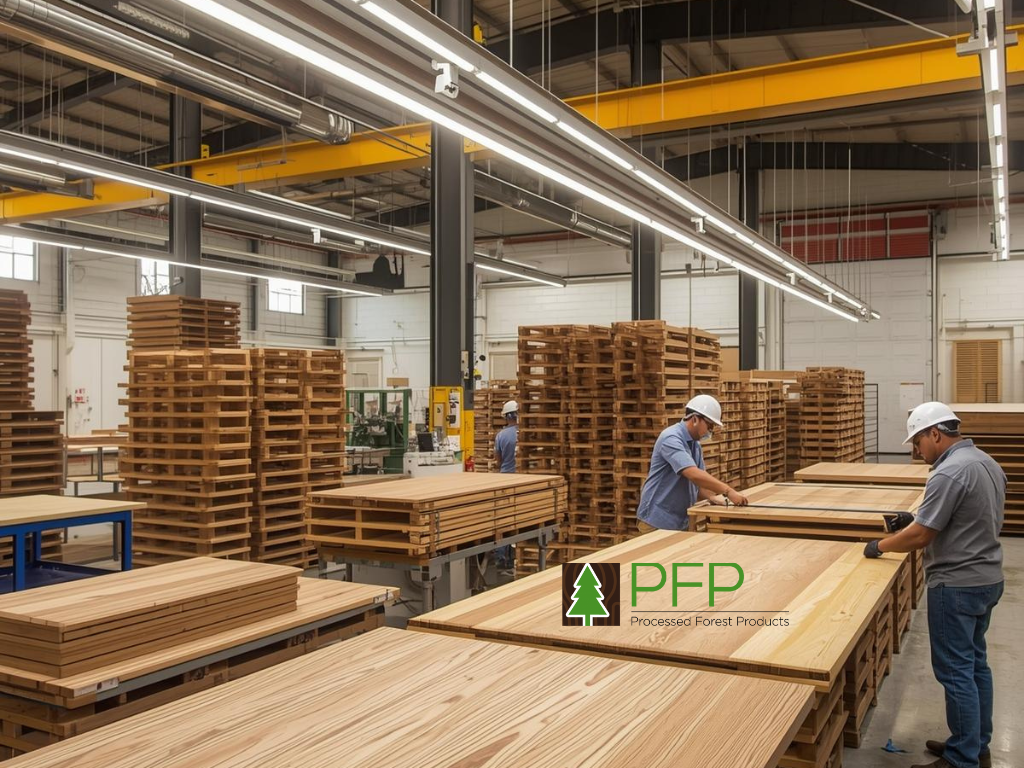
Extending the life of timber wood panel involves proper installation, suitable finishes, and ongoing care. Allowing panels to adjust to their environment before installation and protecting surfaces from excessive moisture helps maintain durability. Regular maintenance also plays an important role in long-term performance.
What installation practices improve panel longevity?
Correct spacing, secure fixing, and allowing for natural timber movement help reduce long-term stress and prevent damage as conditions change.
How does regular care support durability?
Routine cleaning, avoiding harsh chemicals, and maintaining protective finishes help preserve panel strength, appearance, and overall lifespan.