
Antimicrobial hemp fabric reduces odours in a very different way compared to many conventional textiles because it works at the source of the problem rather than trying to cover smells after they appear. Odours in clothing and textiles usually develop when moisture, heat, and bacteria interact within the fibres, creating an environment where smells can build up quickly over time. Instead of trapping this moisture and allowing bacteria to multiply, antimicrobial hemp fabric naturally resists bacterial growth, which means odours have far less opportunity to form in the first place. This makes the fabric feel fresher for longer and reduces the need for frequent washing, while still remaining comfortable and breathable for everyday use.
Why do odours form in fabrics in the first place?
Odours form in fabrics when sweat and moisture are absorbed into the fibres and create the right conditions for bacteria to grow. As bacteria break down sweat and organic particles, they release compounds that cause unpleasant smells. Synthetic fabrics tend to trap moisture and heat, which allows bacteria to multiply more easily. Over time, these odours become embedded in the material, making them harder to remove even after washing, especially when the fabric does not breathe well.
How does antimicrobial hemp fabric stop odours naturally?
Antimicrobial hemp fabric stops odours naturally by limiting bacterial growth before smells have a chance to develop. The structure of hemp fibres allows better airflow and moisture release, which creates a less favourable environment for bacteria. Because the antimicrobial properties are part of the fibre itself, the fabric does not rely on added chemical treatments to stay fresh. This natural resistance helps the fabric maintain a cleaner feel during wear, supporting long-lasting freshness without masking odours or compromising comfort.
Why antimicrobial fabric for apparel Performs Better in Everyday Wear
Antimicrobial fabric for apparel performs better in everyday wear because it is designed to handle the realities of daily life, including movement, body heat, and long hours of use. Everyday clothing is often exposed to sweat, friction, and changing temperatures, which can quickly lead to odour build-up in standard fabrics. By reducing bacterial growth and managing moisture more effectively, antimicrobial fabric for apparel helps garments stay fresher throughout the day, even when worn for extended periods. This makes it especially suitable for workwear, travel clothing, and casual pieces that need to remain comfortable and presentable without constant washing.
Why does everyday clothing hold odours so easily?
Everyday clothing holds odours easily because it is worn close to the skin and regularly exposed to sweat and body heat. When fabrics trap moisture and limit airflow, bacteria thrive and odours settle into the fibres. Over time, repeated wear and washing can make these smells more persistent, especially in materials that do not release moisture efficiently or breathe well during use.
How does antimicrobial fabric for apparel improve freshness during wear?
Antimicrobial fabric for apparel improves freshness by slowing down the growth of odour-causing bacteria while allowing moisture to move away from the skin. This helps garments feel drier and cleaner throughout the day. Because freshness is maintained naturally within the fabric, wearers often notice less smell buildup, even during busy or active days, without sacrificing comfort or softness.
How antimicrobial performance fabric Prevents Bacteria Build-Up
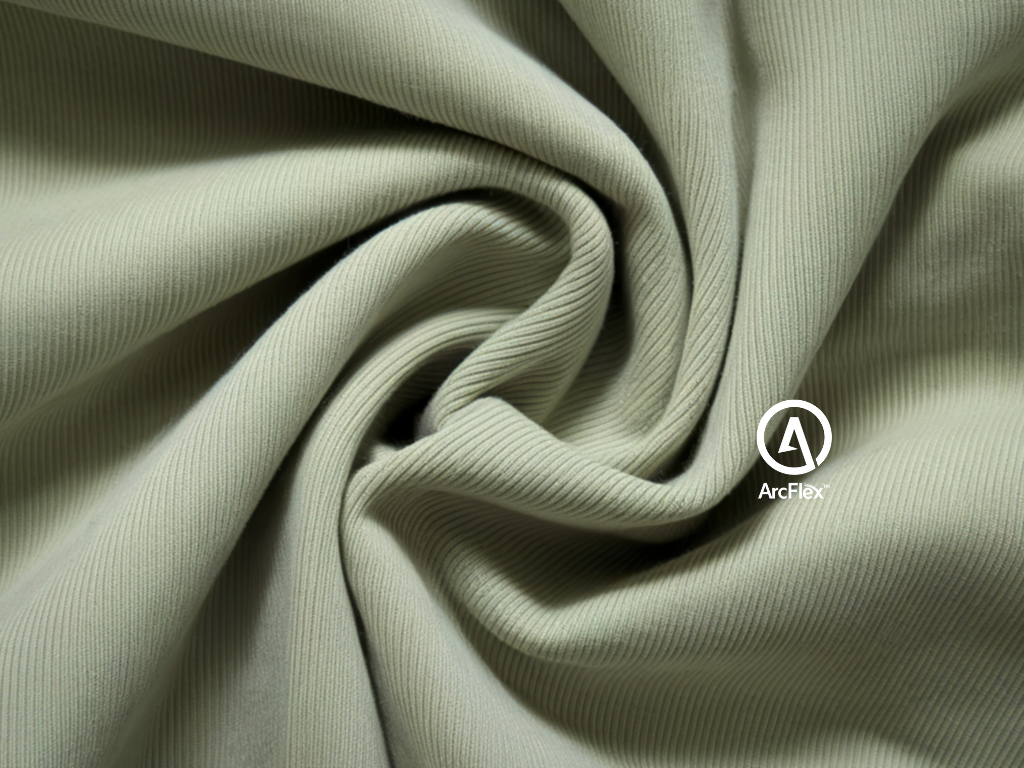
Antimicrobial performance fabric prevents bacteria build-up by creating conditions that make it difficult for bacteria to survive and multiply. Odours are closely linked to bacterial activity, so limiting bacteria at an early stage plays a major role in keeping fabrics fresh. Instead of waiting for smells to appear, antimicrobial performance fabric works continuously during wear to reduce the factors that encourage bacterial growth, which supports better hygiene and longer-lasting freshness across a wide range of uses.
What role do bacteria play in fabric odours?
Bacteria are the main cause of fabric odours because they feed on sweat and organic particles trapped in the fibres. As they break these substances down, they release odour-producing compounds. The more bacteria that are present, the stronger and faster odours tend to develop, especially in warm or damp conditions.
How does antimicrobial performance fabric slow bacterial growth?
Antimicrobial performance fabric slows bacterial growth by limiting moisture retention and reducing the surfaces where bacteria can thrive. The structure of the fabric supports airflow and faster drying, which makes it harder for bacteria to survive. This natural control helps reduce odours without relying on artificial treatments or heavy coatings.
Why natural fibre high performance fabric Stays Fresher for Longer
natural fibre high performance fabric stays fresher for longer because it balances comfort, breathability, and moisture control in a way that synthetic materials often struggle to achieve. Natural fibres allow air to move more freely through the fabric, which helps regulate temperature and reduce dampness during wear. This combination creates a cleaner environment within the garment, supporting long-term freshness and making the fabric more comfortable for repeated use.
How does moisture affect odour retention in fabrics?
Moisture plays a major role in odour retention because damp environments allow bacteria to grow more quickly. When fabrics hold onto moisture, odours become trapped and intensify over time. Poor moisture release also means smells can linger even after washing, especially in tightly woven synthetic materials.
Why do natural fibres release odours more easily?
Natural fibres release odours more easily because they breathe better and do not trap moisture as tightly as synthetic fibres. This allows sweat and heat to dissipate rather than build up inside the fabric. As a result, odours are less likely to settle into the material, helping garments stay fresher between washes.
How high performance sustainable textiles Reduce Odours Without Chemicals
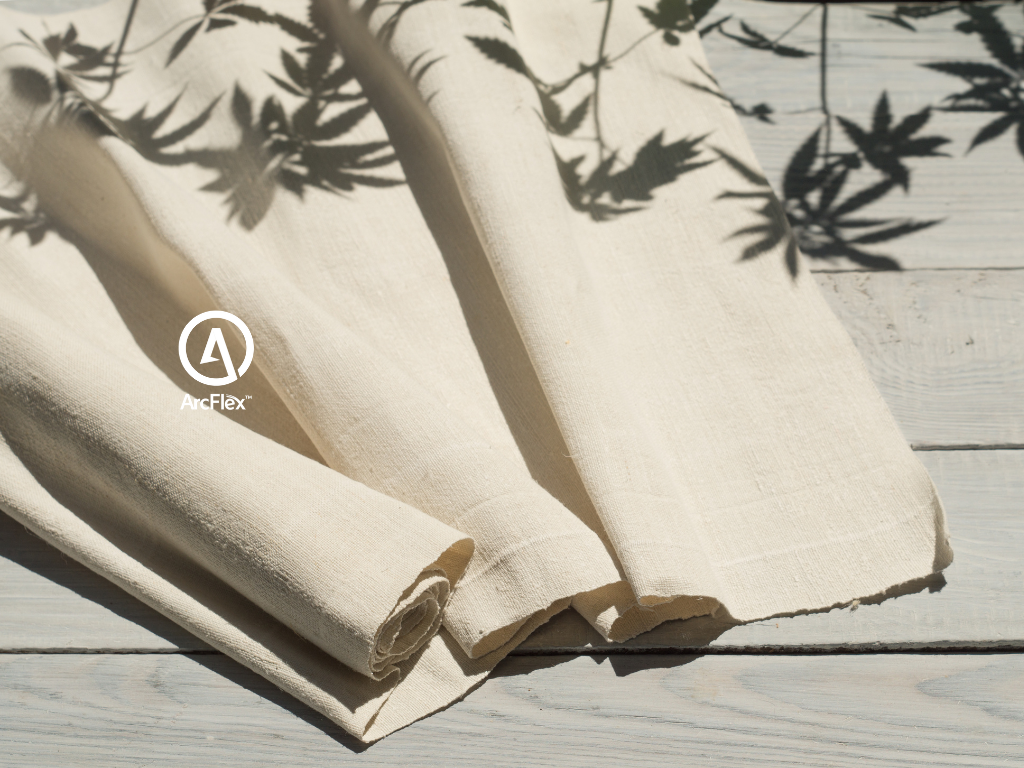
High performance sustainable textiles reduce odours without chemicals by relying on the natural properties of the fibres rather than surface treatments. Many conventional fabrics depend on chemical finishes to control smell, which can wear off over time and raise concerns about skin sensitivity. In contrast, high performance sustainable textiles are designed to manage moisture and bacteria naturally, offering a cleaner and more consistent approach to odour control that aligns with both comfort and sustainability goals.
Why do some fabrics rely on chemical odour control?
Some fabrics rely on chemical odour control because synthetic fibres often lack natural breathability and moisture regulation. Chemical treatments are added to compensate for this limitation, but these treatments may degrade with washing and wear, reducing their effectiveness over time.
How do high performance sustainable textiles avoid chemical treatments?
high performance sustainable textiles avoid chemical treatments by using fibres that naturally resist bacteria and manage moisture efficiently. This built-in performance means odour control remains consistent throughout the life of the fabric, without the need for added finishes or repeated treatments.
How antimicrobial hemp fabric Performs in Active and Warm Conditions
Antimicrobial hemp fabric performs especially well in active and warm conditions because it is designed to handle increased heat, movement, and moisture without becoming uncomfortable or odour-prone. During physical activity or in warm environments, fabrics are exposed to higher levels of sweat and friction, which can quickly lead to unpleasant smells. Antimicrobial hemp fabric helps regulate these conditions by staying breathable and limiting bacterial growth, even when worn for long periods.
Why do fabrics smell more in warm or active conditions?
Fabrics smell more in warm or active conditions because heat and moisture create the ideal environment for bacteria to multiply. Increased sweating combined with limited airflow causes odours to develop faster, particularly in materials that trap moisture close to the skin.
How does antimicrobial hemp fabric manage odours during activity?
Antimicrobial hemp fabric manages odours during activity by allowing moisture to escape quickly and reducing the buildup of bacteria. Its breathable structure helps keep the fabric feeling drier and more comfortable, which supports freshness even during extended wear or physical movement.
Why antimicrobial hemp fabric Is a Long-Term Solution for Odour Control
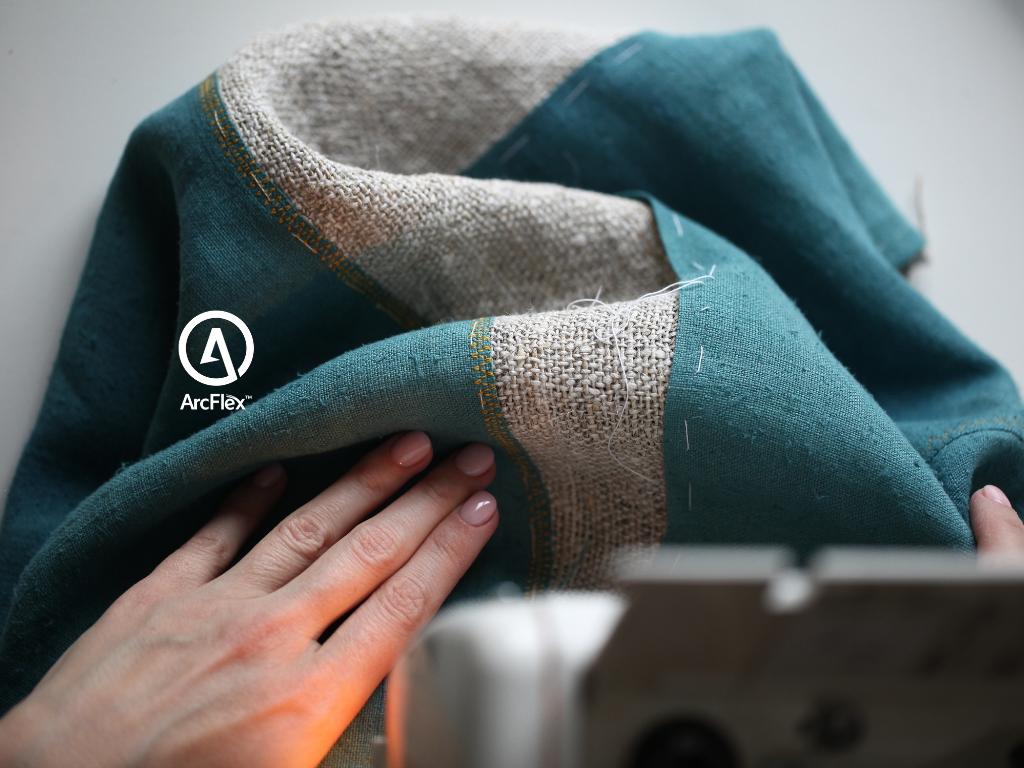
Antimicrobial hemp fabric is a long-term solution for odour control because its performance is built into the fibre rather than applied as a temporary finish. Over time, many fabrics lose their ability to resist smells, especially after repeated washing. In contrast, antimicrobial hemp fabric continues to support freshness throughout its lifespan, making it a practical choice for apparel and textiles that are worn regularly and expected to perform consistently.
Does antimicrobial hemp fabric lose its odour control over time?
Antimicrobial hemp fabric does not lose its odour control in the same way treated fabrics can, because the resistance comes from the fibre itself. This means the fabric continues to perform even after repeated use and washing, supporting long-term freshness.
Why is long-term freshness important for apparel and textiles?
Long-term freshness is important because it improves comfort, reduces washing frequency, and helps garments feel reliable over time. Fabrics that stay fresh longer also support durability and everyday practicality, making them better suited for regular wear and long-term use.