
Small fashion labels are doing big things — and a circular fabric platform is helping them get there. These platforms are designed to connect designers with low-waste, sustainable fabrics that suit smaller production runs. For startups and slow fashion creators, they remove the stress of dealing with complex supply chains or unrealistic order volumes. Instead of having to buy in bulk or settle for unsustainable fabric options, designers can browse pre-vetted, low-impact materials. Many of these platforms also offer real-time stock updates, minimum order support, and easy ways to compare materials.
The beauty of a circular system is that it promotes reuse, sharing, and smarter production. Small labels get access to high-quality fabrics, often including leftovers, surplus, or reclaimed materials — without compromising on quality or design. So whether you’re designing a capsule collection, launching an eco brand, or just starting out, a circular fabric platform gives you the tools to create sustainably and stay competitive.
Sourcing hemp blended fibre textiles Without the Hassle
Get the Look and Feel Without High Minimums
One of the biggest challenges for small designers is sourcing premium fabrics without massive minimum orders. Luckily, platforms now offer easier access to hemp blended fibre textiles — one of the most popular eco fabrics around. Hemp is strong, breathable, and holds colour beautifully. It also works well in blends with organic cotton, lyocell, or bamboo. But buying hemp fabric used to mean importing in bulk or paying high prices.
A circular fabric platform now removes that hurdle. Designers can browse available blends, request samples, and often order in smaller cuts — perfect for testing before scaling up. This means you don’t have to over-order or hold unused stock just to meet supplier requirements.
Smarter Choices, Lower Risk for Startups
If you’re running a small or solo label, every dollar counts. Being able to source hemp blended fibre textiles without overspending is a huge help. But there’s more — these platforms also show the sustainability profile of each fabric, so you know where it comes from, what it’s blended with, and whether it meets your brand values.
This reduces risk and allows you to:
- Try out new textures and blends
- Keep waste low from the start
- Offer transparency to your customers
So you’re not just choosing a fabric — you’re choosing a smarter way to build your product line.
How white label eco‑fashion fabrics Make Life Easier for Indie Brands
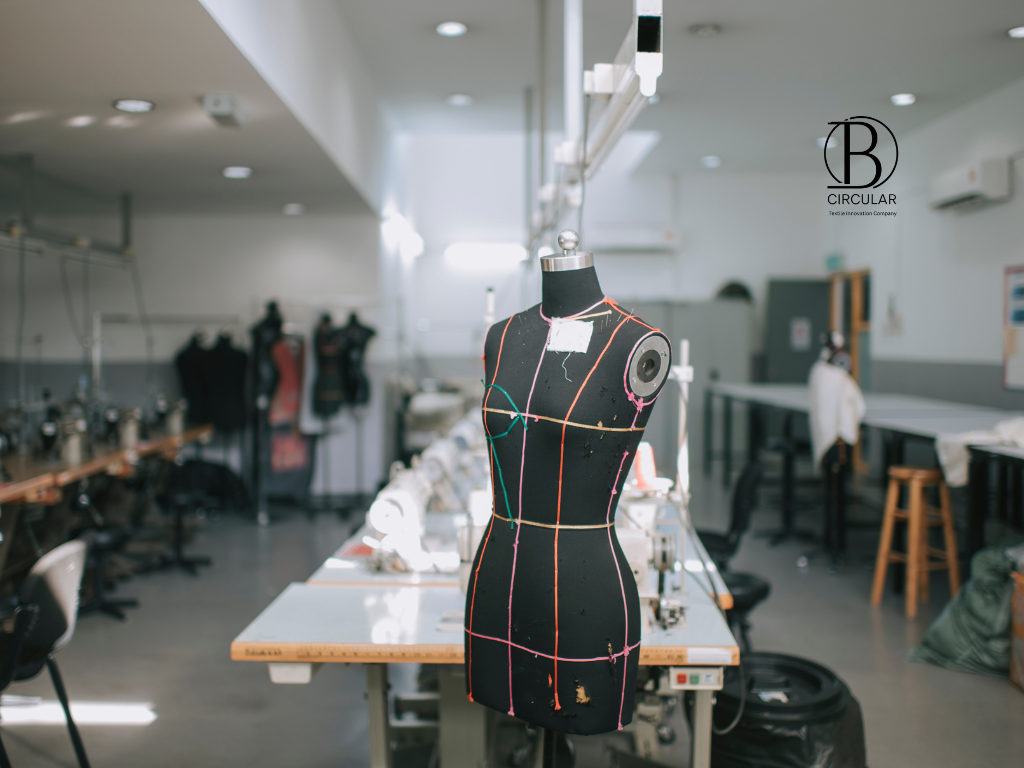
Not every small fashion brand has the resources to develop everything from scratch. That’s where white label eco‑fashion fabrics come in. These are pre-developed materials and garment templates that are ready to be customised, labelled, and launched — with sustainability already built in. They save time, reduce sampling costs, and help small brands go to market faster. Most of all, they ensure the final product aligns with ethical values.
For example, you might choose a ready-to-go t-shirt pattern made with recycled cotton and request your own dye colour, sleeve length, or stitching style. You still get to add your personal touch without starting from zero.
This kind of setup is perfect for:
- Launching limited runs
- Testing new designs
- Creating branded basics with minimal fuss
Through a circular fabric platform, these white label eco‑fashion fabrics are just a few clicks away — ready to help your brand grow without waste or overwhelm.
Using scalable eco fabrics manufacturing to Compete With Bigger Brands
Build Responsibly Without Big Overheads
Small fashion labels often worry they can’t compete with big-name brands — especially when it comes to production scale. But thanks to scalable eco fabrics manufacturing, that gap is shrinking fast. This approach allows designers to start small and grow without changing their entire supply chain. You can launch with limited quantities and scale up when you’re ready, all while sticking to your eco values. That means you won’t need to compromise on fabric quality or ethics just to make production work.
Many circular fabric platform providers now partner with mills and suppliers who specialise in low minimums and adaptable production lines. These relationships are gold for new brands. You can manage your cash flow, avoid fabric waste, and keep your process efficient from the start. This flexibility gives you more control and lowers the risk that comes with overproducing or stocking up on fabric you may not use.
Partnering With the Right Suppliers From the Start
A smart circular system connects you to suppliers who not only offer eco materials but understand the unique needs of smaller labels. They’re used to handling lower volume runs, offering swatches, and adjusting based on your capacity.
Working with partners that specialise in scalable eco fabrics manufacturing helps you:
- Reduce inventory stress
- Scale your collections gradually
- Keep your sustainability story strong
That way, you build your business without rushing — and without losing your brand values.
Why small labels choose a sustainable activewear fabric supplier via a circular fabric platform
Activewear is one of the fastest-growing categories in fashion — and also one of the most competitive. To stand out, small brands need materials that perform well, feel good, and align with customer values. That’s where choosing a sustainable activewear fabric supplier through a circular fabric platform makes a real difference.
Many circular platforms offer access to fabric suppliers who specialise in high-performance materials made from recycled or low-impact fibres. This includes everything from stretch jersey made with organic cotton to performance blends using regenerated nylon or plant-based elastane.
Beyond that, the platform often shows useful details like:
- Where the fabric is made
- What certifications it holds
- Its carbon or water impact rating
These tools let you choose materials that meet both design and performance goals — while also being planet-friendly. For small brands breaking into activewear, this creates a real edge. You’re not only offering stylish and comfy gear, but also a story that customers connect with.
Final Thoughts
A circular fabric platform gives small fashion labels a chance to grow responsibly. Whether you’re looking for hemp blended fibre textiles, exploring white label eco‑fashion fabrics, or partnering with a sustainable activewear fabric supplier, these platforms offer the support, flexibility, and ethical sourcing you need — without the overwhelm.