
Design plays a major role in the success of CNC laser cutting projects because every line, curve, and measurement in a design directly affects the final cut. Even small design choices can influence accuracy, edge quality, and material use. When designs are well planned from the beginning, the cutting process runs more smoothly and delivers cleaner, more consistent results with less need for adjustments later.
How does design influence cutting accuracy?
Design influences cutting accuracy by defining the exact path the laser will follow across the material. Clear lines, clean curves, and correctly sized features help CNC laser cutting machines move smoothly and precisely, which reduces the chance of uneven edges, missed cuts, or dimensional errors that could affect how parts fit together.
Why is preparation important before cutting begins?
Preparation is important because it allows potential design issues to be identified before material is cut. Reviewing designs early helps avoid mistakes that lead to wasted material, rework, or delays, which ultimately saves time and ensures a smoother production process from start to finish.
How cnc cutting services Use Design Files for Accurate Cutting
cnc cutting services rely on digital design files to guide machines through every cut with precision. These files act as instructions that tell the laser exactly where to cut and how to move across the material. When design files are clean and correctly prepared, the cutting process becomes faster, more accurate, and far more predictable.
What file formats work best for CNC laser cutting?
Vector-based file formats work best because they store designs as precise paths rather than images. This allows CNC laser cutting machines to follow exact lines and measurements, ensuring clean cuts and accurate shapes across the entire design.
Why does design accuracy affect cutting results?
Design accuracy affects cutting results because even small errors in measurements or alignment can be transferred directly into the final product. Accurate designs reduce the risk of misaligned parts, incomplete cuts, or pieces that do not match intended dimensions.
What Tolerances Should You Allow When Designing for CNC laser cutting?
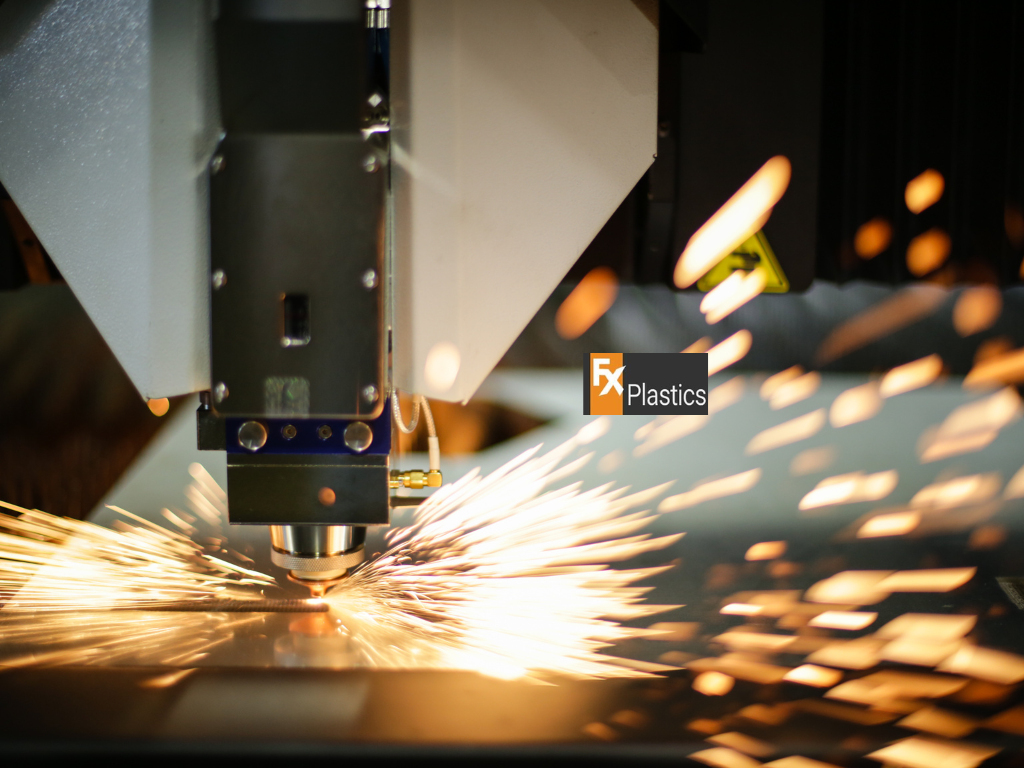
Allowing proper tolerances is an important part of designing for CNC laser cutting because materials respond differently to heat and cutting speed. Small gaps and spacing help ensure parts fit together correctly once cutting is complete. Ignoring tolerances can result in tight fits, misaligned parts, or unexpected material stress.
Why are tolerances important in laser cutting designs?
Tolerances are important because they allow for slight variations caused by heat, material movement, and cutting precision. Including tolerances helps ensure parts assemble smoothly without forcing or damaging the material.
How much spacing should designs allow?
Spacing depends on material type, thickness, and intended use, but allowing small clearances helps improve fit and overall accuracy. Proper spacing also reduces the risk of parts binding or warping after cutting.
How Does Material Choice Affect Design for laser cutting sydney?
Material choice strongly influences design decisions for laser cutting sydney projects because different materials react differently to laser heat and cutting speed. Thickness, density, and surface finish all affect how cleanly a material can be cut. Considering these factors during the design stage helps achieve smoother edges and more reliable results.
How does material thickness affect design choices?
Thicker materials often require wider spacing, simpler shapes, and adjusted cut paths to ensure the laser can cut cleanly through the material without excessive heat buildup or rough edges.
Why should designs change based on material type?
Designs should change because each material absorbs heat differently and behaves uniquely during cutting. Adjusting designs based on material type helps maintain edge quality and prevents damage such as burning or distortion.
What Design Adjustments Are Needed for Laser Cutting Western Sydney Projects?
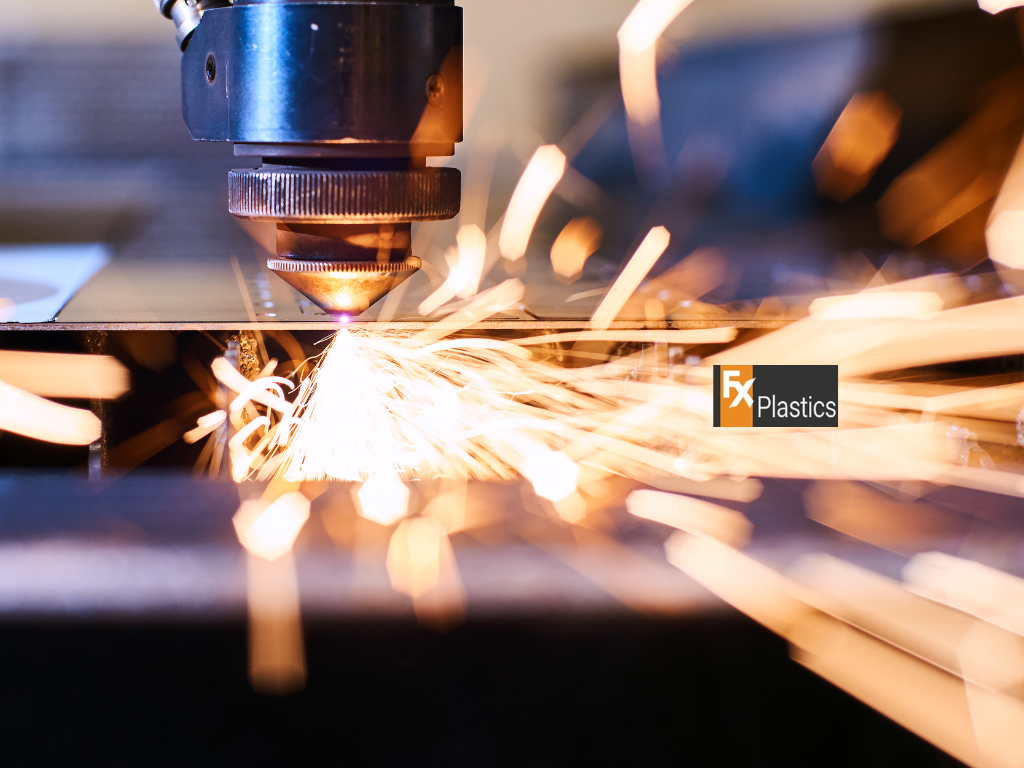
Design adjustments are often needed for Laser Cutting Western Sydney projects because production scale, turnaround times, and material availability can influence how designs are processed. Efficient layouts help reduce cutting time and material waste, especially when multiple parts are produced at once. Thoughtful design choices support smoother workflows and more consistent outcomes.
How does production scale influence design layout?
Larger production runs benefit from layouts that maximise material usage and minimise unnecessary machine movement. Well-planned layouts help maintain efficiency and consistency when producing higher volumes.
Why does efficient design reduce cutting time?
Efficient designs allow the laser to cut continuously with fewer stops or repositioning. This reduces overall cutting time and improves productivity without compromising accuracy.
What Special Design Rules Apply to Acrylic Laser Cutting Sydney and Perspex Cutting Sydney?
Acrylic Laser Cutting Sydney and Perspex Cutting Sydney require extra attention during the design stage because these materials react differently to heat. Acrylic can melt, chip, or crack if designs are too tight or complex. Adjusting spacing, corner shapes, and cut paths helps maintain clean edges and prevents surface damage.
How does acrylic react differently during laser cutting?
Acrylic softens quickly under heat, which can cause edges to melt or fuse if the design is not properly spaced. Managing heat through smart design helps maintain smooth, polished edges.
What design features prevent cracking or burn marks?
Rounded corners, generous spacing, and smooth cut paths reduce heat concentration. These design features help prevent stress points that lead to cracking or burn marks.
How Can Better Design Improve Results in CNC laser cutting?
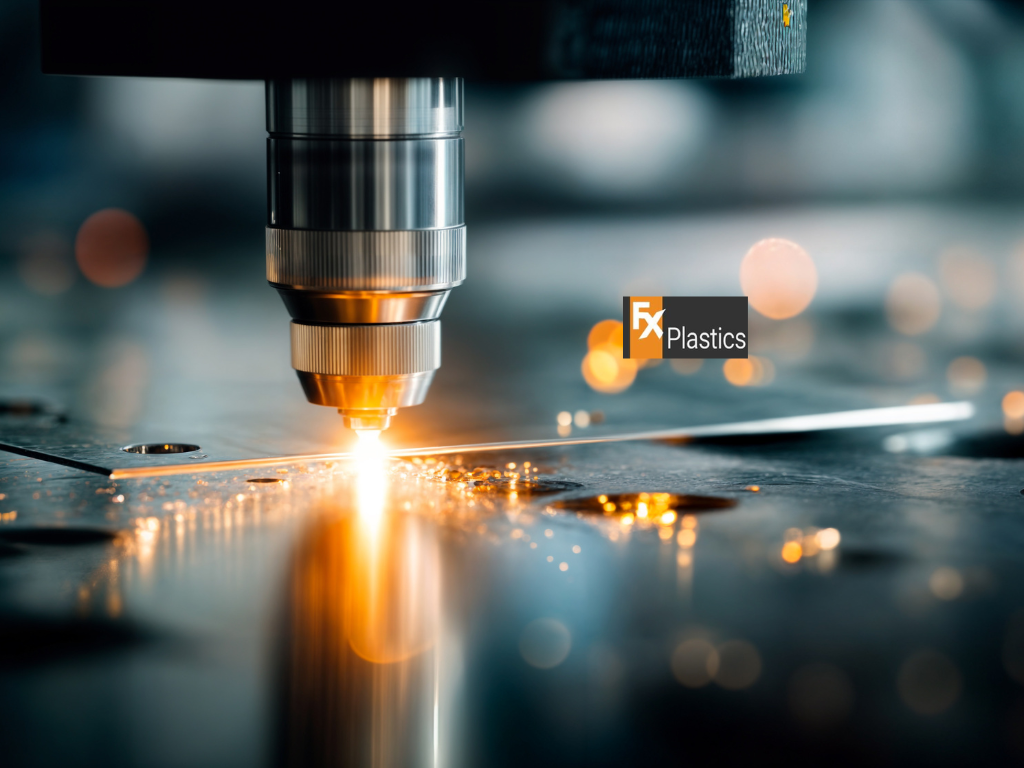
Better design improves results in CNC laser cutting by creating cleaner cuts, reducing material waste, and supporting smoother production. When designs account for tolerances, material behaviour, and cutting efficiency, the entire process becomes more reliable. Thoughtful preparation leads to consistent quality and fewer revisions.
How does good design reduce material waste?
Good design uses space efficiently and avoids unnecessary cut paths, which minimises offcuts and errors. This helps reduce wasted material and improves overall efficiency.
Why does design planning improve overall cutting quality?
Design planning helps identify and resolve potential issues before cutting begins. This results in cleaner edges, better-fitting parts, and a more consistent final outcome.